
Join us in looking back at the many ways we deliver on our commitment to provide fair opportunities worldwide.
2025: The Year in Pictures

January: Moving forward together


©Stella Oguma
©Stella Oguma
Tecla (right) and Teresia (center) are on their way to the training center in Dodoma, Tanzania. Both women lost their partners in accidents and want to take control of their lives by training as bricklayers with Helvetas. With the prospect of a regular income, Teresia hopes to be able to pay for her mother to have a painful tooth extracted, while Tecla wants to save enough money to pay for her daughter's schooling. Step by step, the women are building a better future for themselves and their families.


February: Safe places for children
©Luzia Tschirky
©Luzia Tschirky
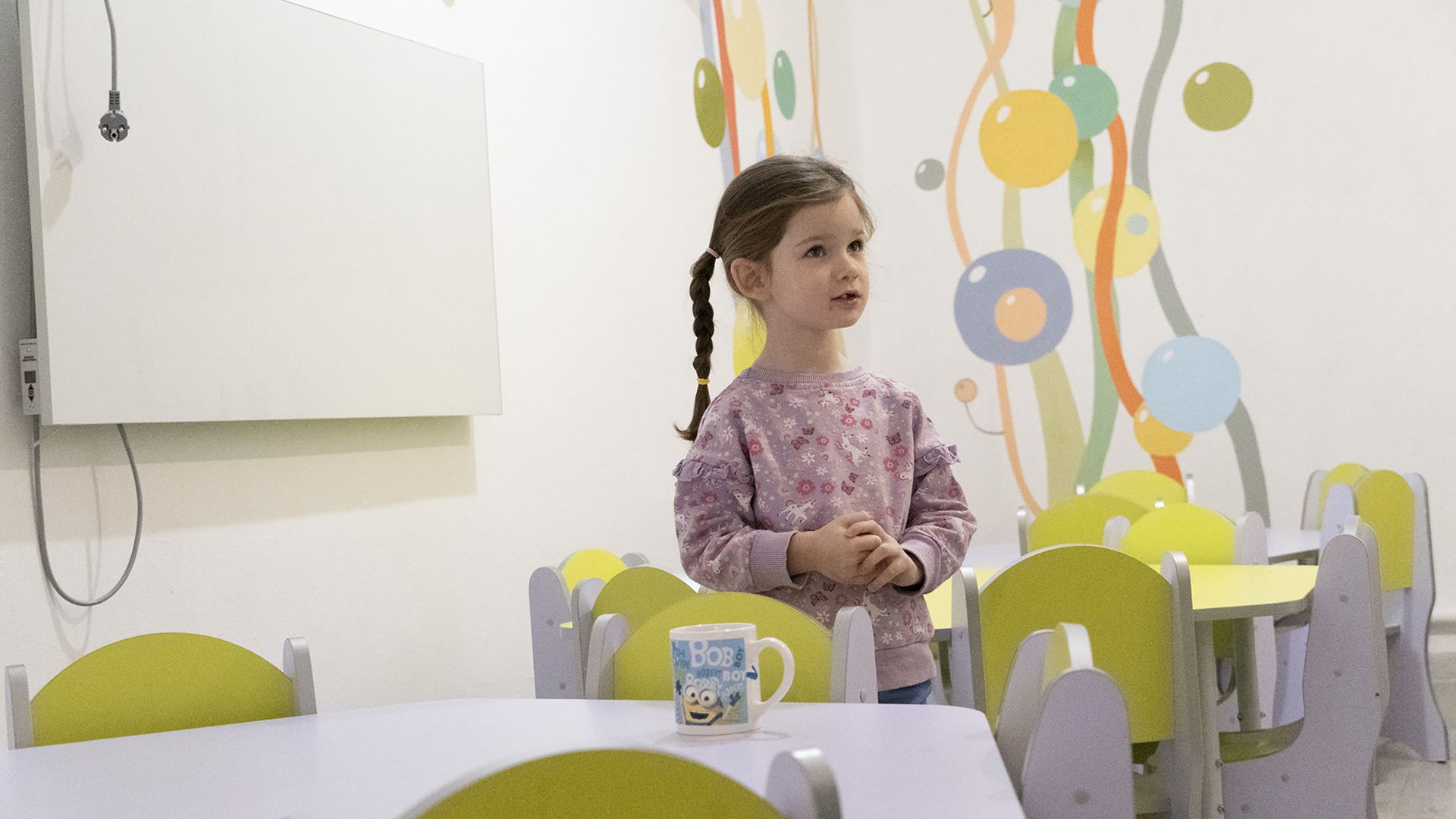
She has never known a world without war. Oleksandra from Dykanka in Ukraine was seven months old when the full-scale Russian invasion began. Three years later, she plays in the shelter of her kindergarten – a place that gives her security while her father fights on the front line. Her mother Marina helped find funding to equip the shelter; Helvetas covered part of the costs. With shelters in place, kindergartens and schools can remain open even during wartime – providing relief for families like Oleksandra's.
March: Courage in the face of taboos

©Helvetas Honduras
©Helvetas Honduras
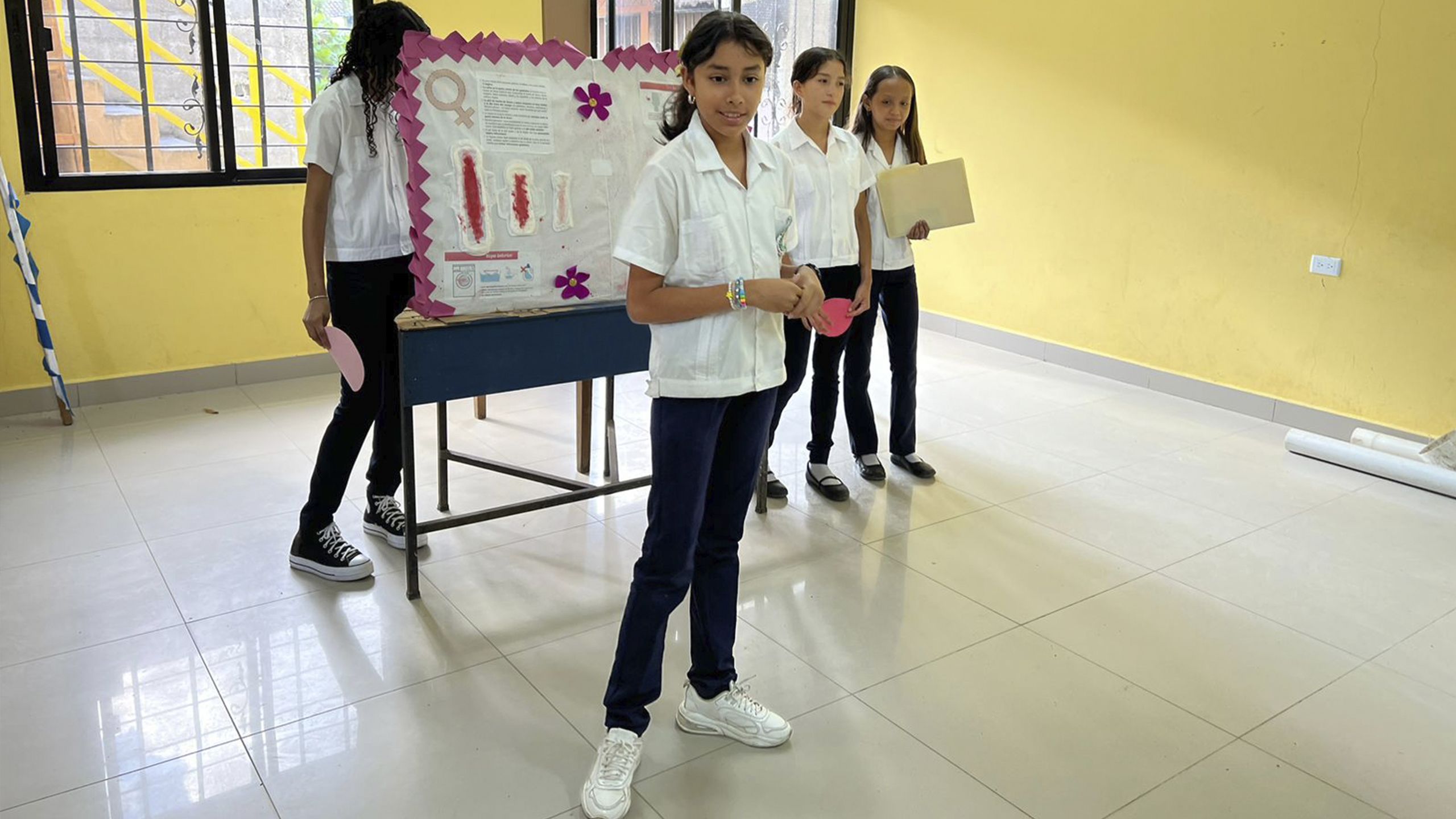
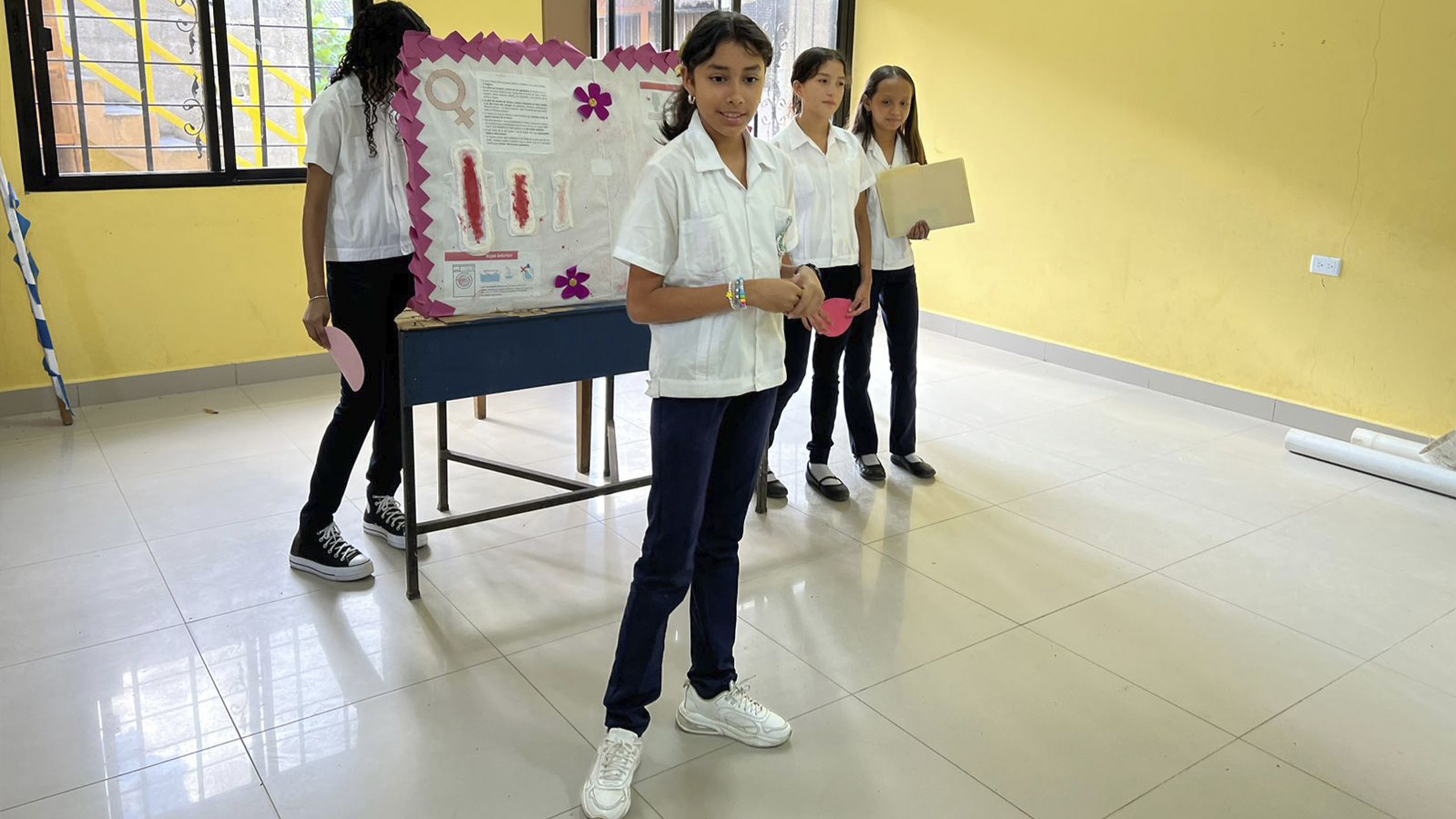
International Women's Day on March 8 reminds us how important equal rights and opportunities are for women. Helvetas is committed to this cause in Honduras, where local teams support girls in breaking a persistent taboo by talking openly about menstruation. This topic still causes shame and restricts girls in their everyday lives, such as when they miss school during their period. At the Instituto Triniteco, girls learn to share their knowledge and stand up for their health, thereby strengthening their self-confidence and their position in their families and communities.
April: Life-saving assistance
©Helvetas Myanmar
©Helvetas Myanmar
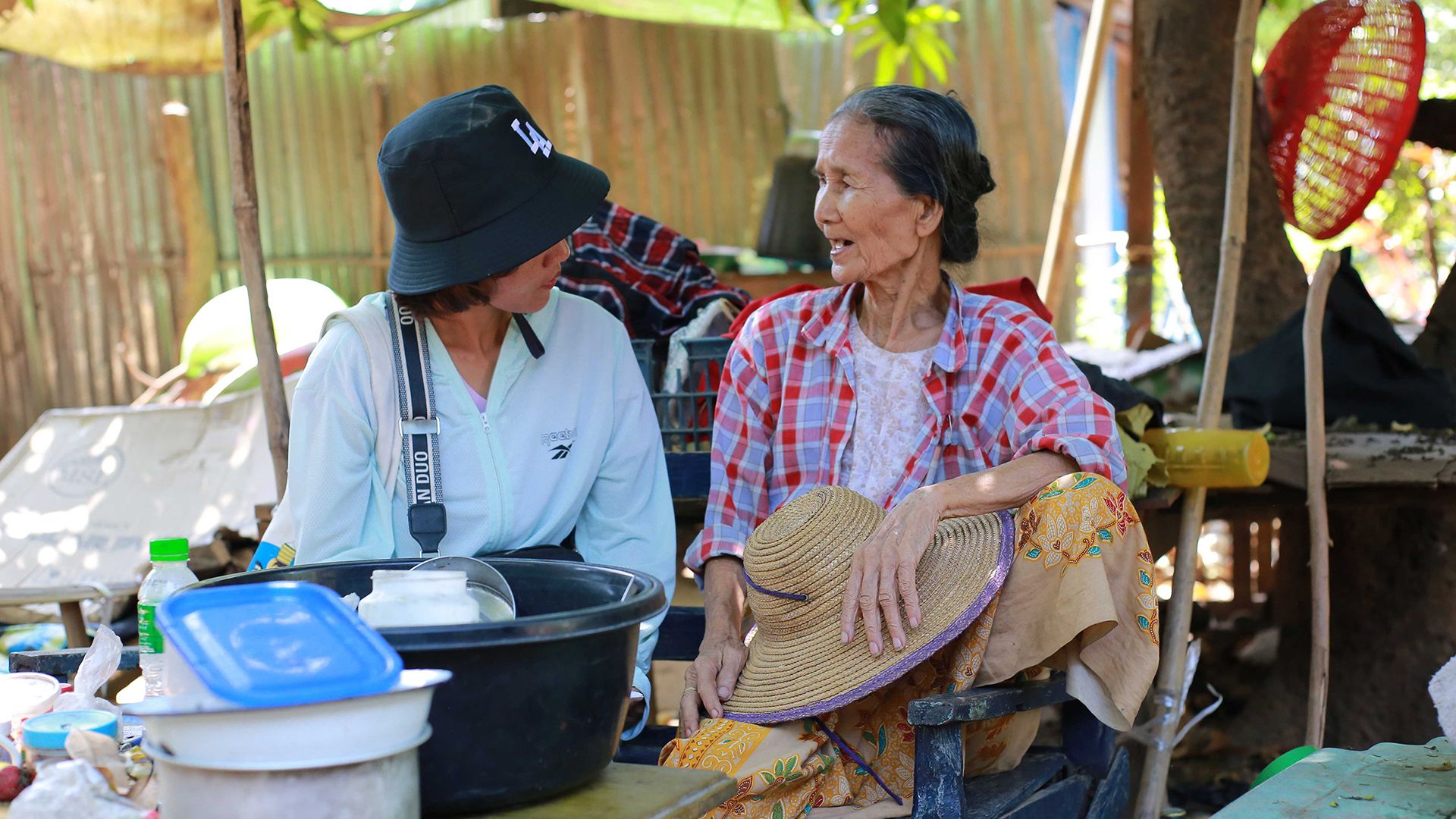
After the severe earthquake in Myanmar, it is crucial to quickly assess affected communities' most urgent needs. This woman, like many others, recounts what she has lost. The team in Myanmar provides emergency aid to the most vulnerable people immediately after the disaster and, in the weeks that follow, supplies clean drinking water, repairs pipes, builds emergency shelters, and distributes food and hygiene items. Thanks to Helvetas, 6,800 households also receive cash assistance, which families can use to buy essentials locally, thereby strengthening local markets.

May: Prospects despite the climate crisis
©Patrick Rohr
©Patrick Rohr
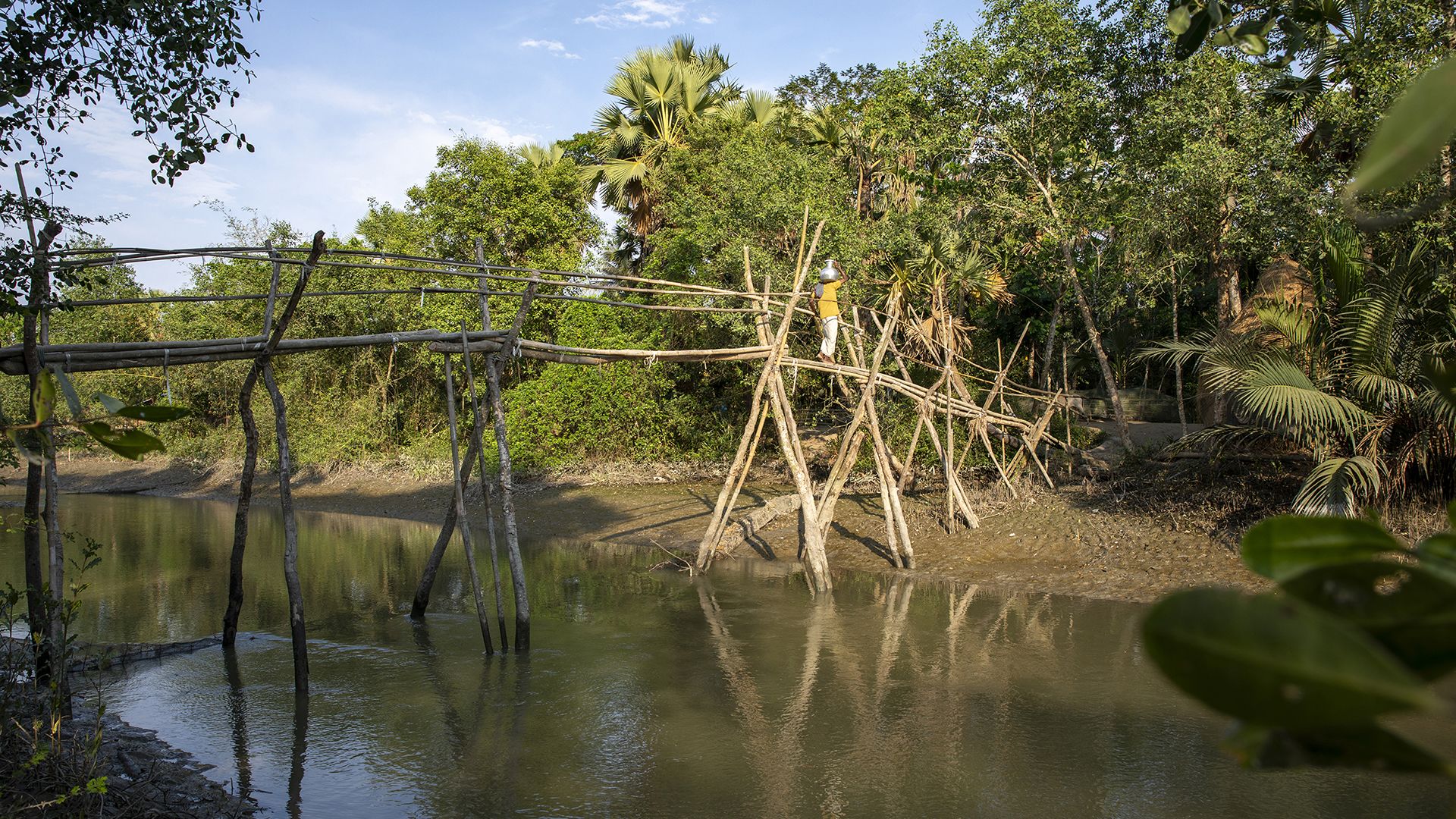
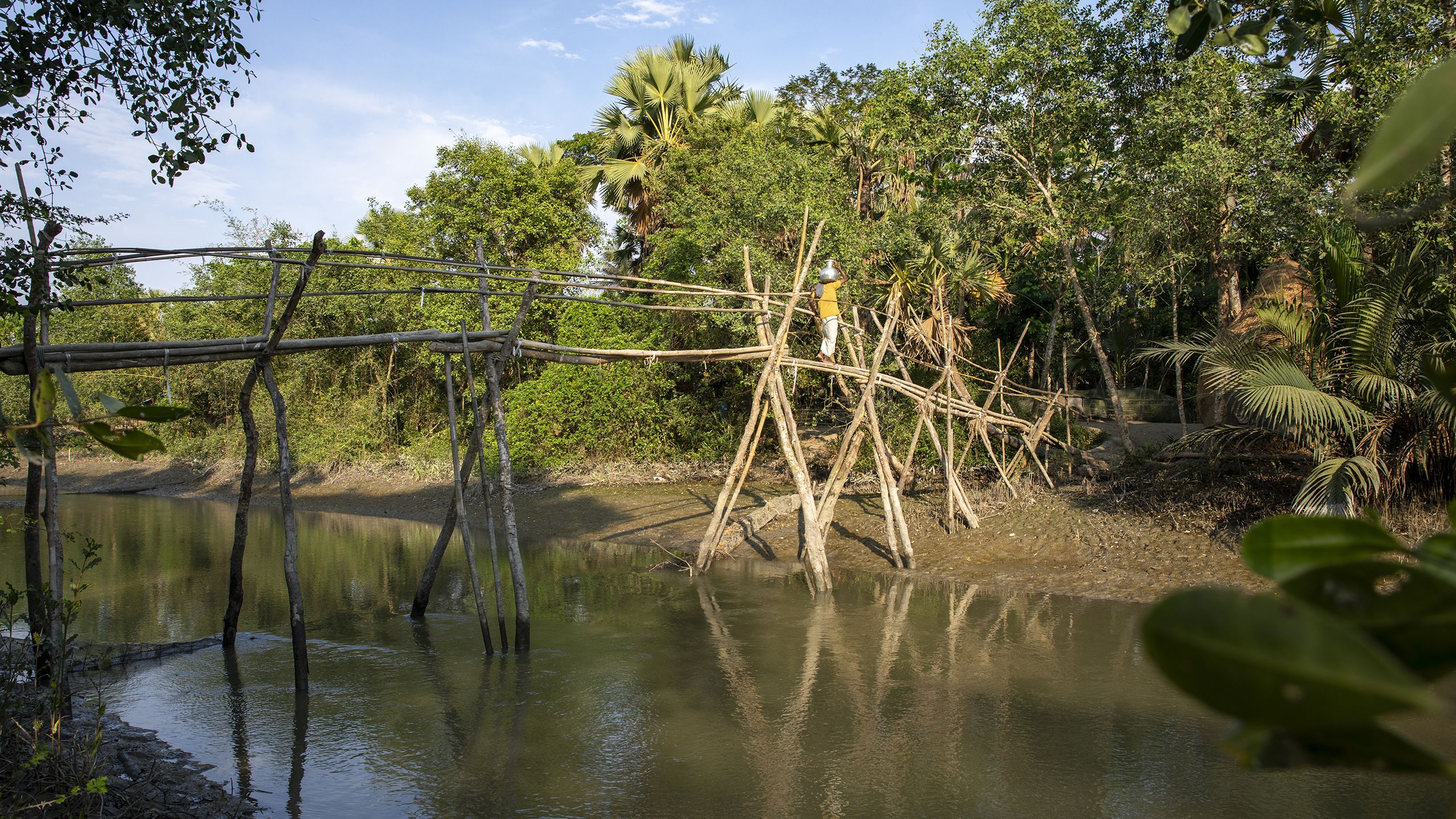
In southern Bangladesh, Mahabub Hawlader has to cross a rickety bamboo bridge several times a day to fetch water for his family from a pond. Climate change has caused the soil to become salinated, forcing Mahabub to abandon his fields. He had hoped to hand them over to his son Mehedi. Thanks to Helvetas, Mehedi has now received career advice and training, and has a job in the village. This means he can stay with his family rather than migrating in search of work. Helvetas is also planning to construct a safe water source – offering Mahabub's family and the community new prospects.
June: The guardians of the forest
©Yusuf Msafiri
©Yusuf Msafiri
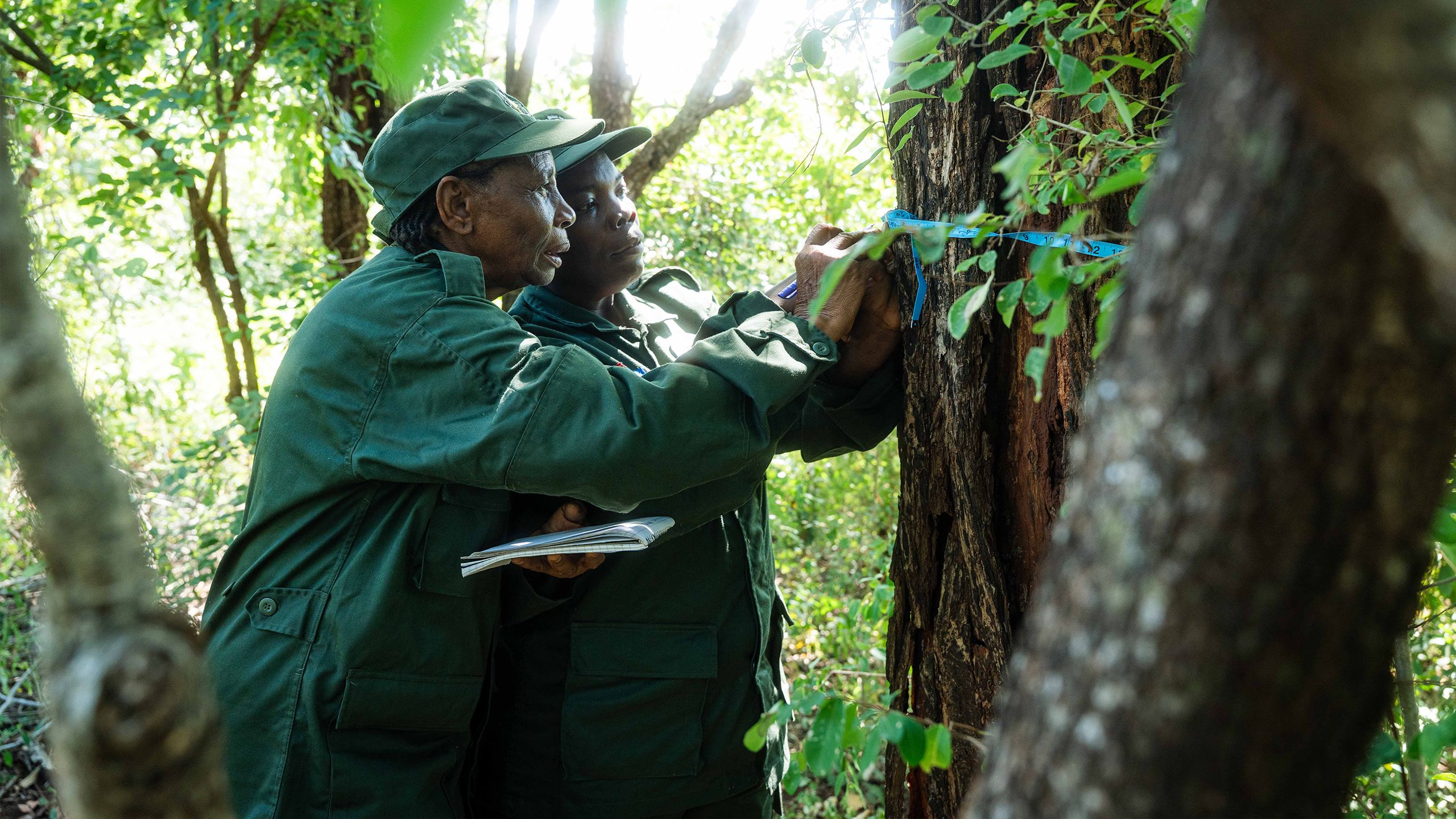
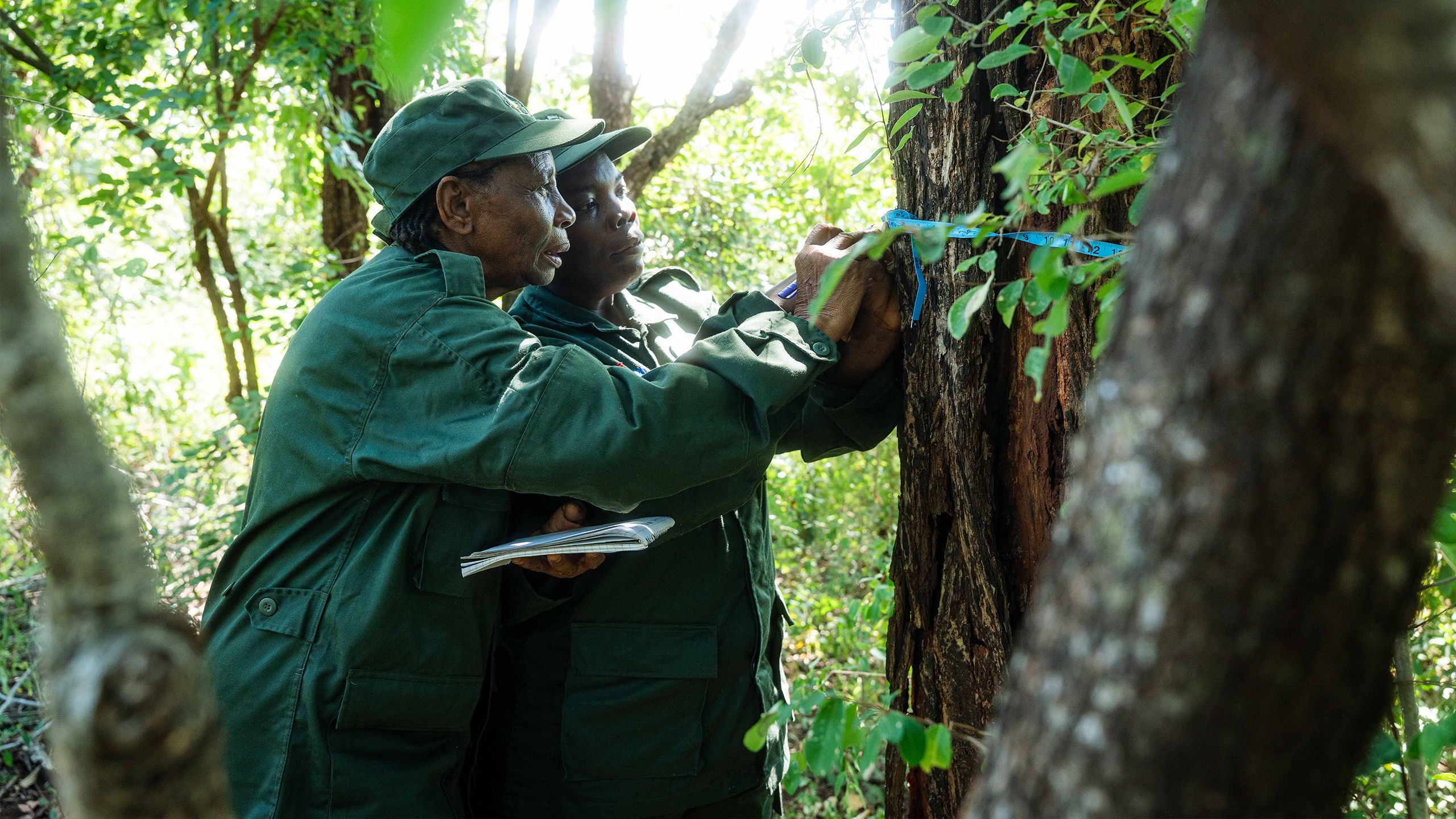
Salma Rashid, 71 (left), and Mwanaisha Ramadhani, 43 (right) are the guardians of the Kinonko Forest in Tanzania. They protect an area where many trees were previously felled illegally to produce charcoal. Back then, they had to patrol four times a month, but now they only have to patrol once. «It has become quiet in the forest», they say. Helvetas supports the rangers, and at the same time promotes the production of charcoal from plant residues such as corn cobs and coconut shells. This alternative relieves pressure on the forest and creates new sources of income for disadvantaged people in the region.
July: The special vessel
©Mahad Usman
©Mahad Usman
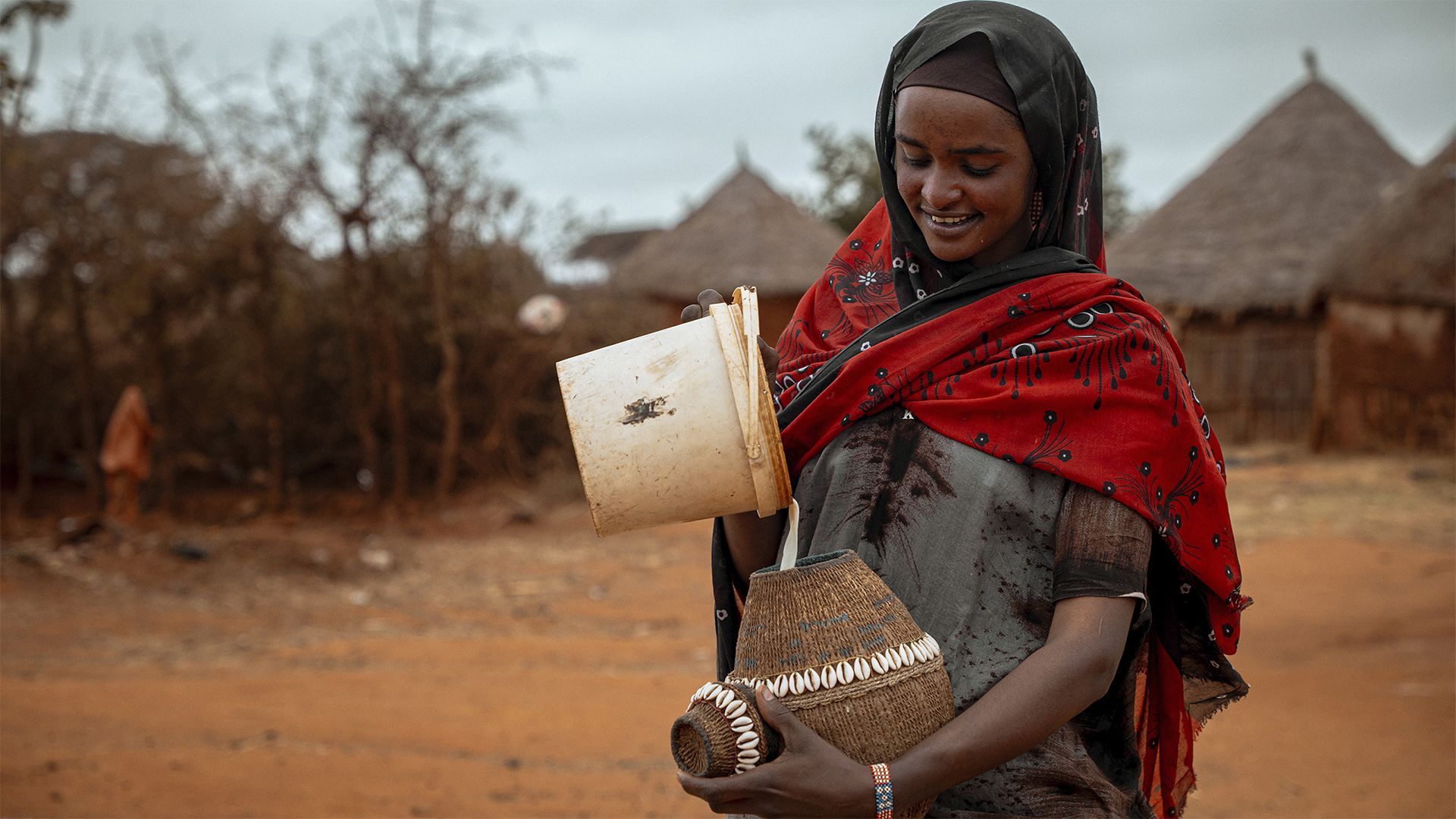
«This container is my treasure. I really like it; I decorated it myself.» Loko Tume from Samaro in Ethiopia uses it to store milk from her goats. Since joining the women's cooperative supported by Helvetas, she has been able to sell her milk at fair prices in the local shop. Helvetas strengthens women's economic independence by providing training in financial literacy, animal husbandry, and marketing. This means a more reliable income for Loko, who has also been caring for her nieces and nephews since her mother fell ill.

August: A destructive force

©Helvetas Pakistan
©Helvetas Pakistan
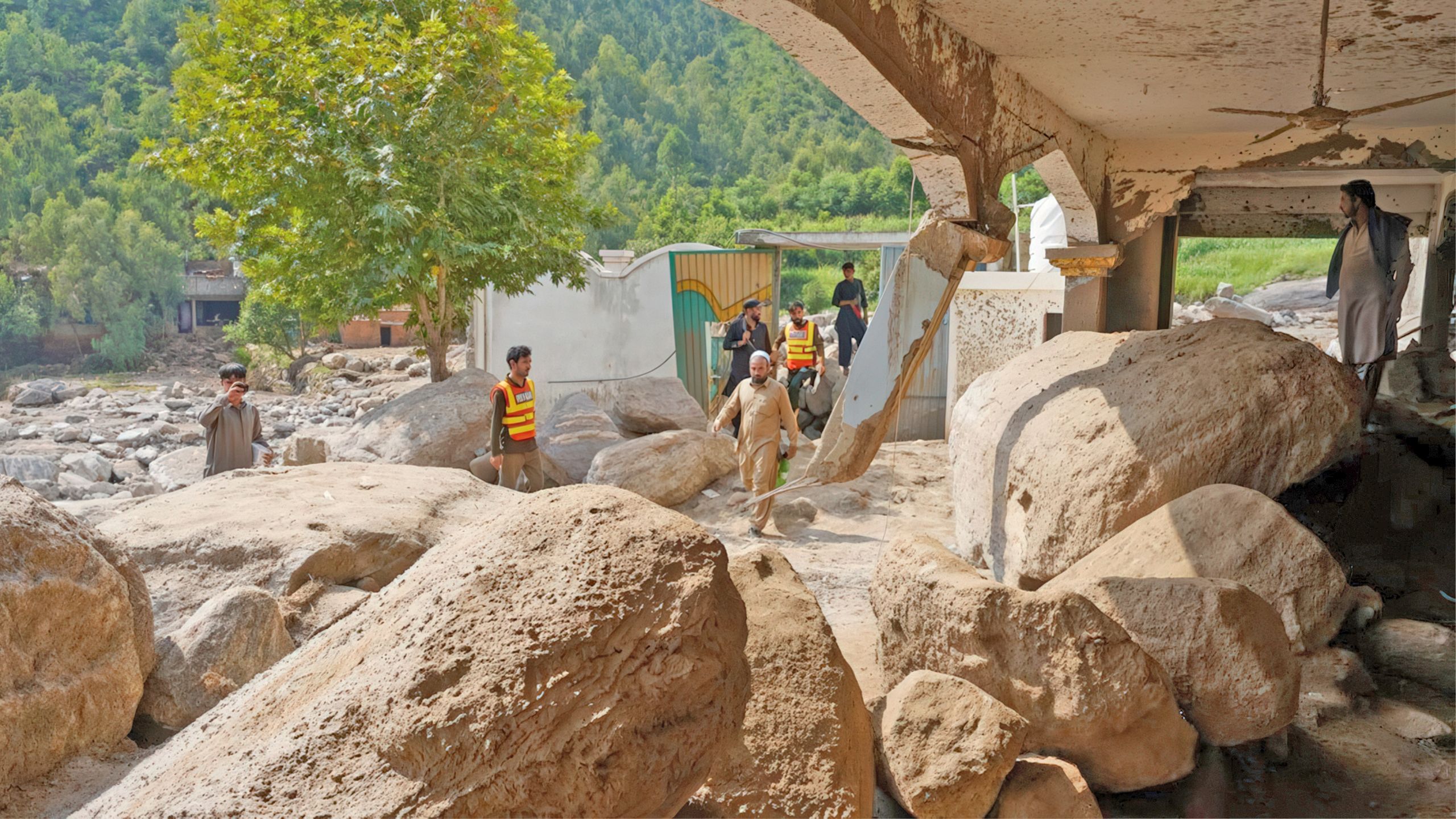
Extreme flooding has left a trail of destruction in Pakistan. Huge boulders that were swept into villages by the floodwaters demonstrate the force of a disaster that has affected over two million people. Helvetas is supporting hundreds of families in particularly hard-hit regions such as Buner and Swat in the north of the country – with tool kits for repairs, mattresses and blankets, safe shelter, and clean drinking water from filter systems. The aim is to help people slowly return to everyday life despite all the destruction.
September: Circular economy

©Patrick Rohr
©Patrick Rohr
Hoang Nguyen Van from Vietnam manages his cocoa farm in a circular system: Fruit peels and leaves serve as feed for the goats, whose manure is composted with plant residues and used to nourish the cocoa trees. With the support of Helvetas, he passes on his knowledge to other farmers as a trainer and has received a furnace in which he produces organic charcoal from leftover waste. Other plant waste is processed into paper, which is used to package the chocolate made from his cocoa. Hoang's goal is for nothing to go to waste.

October: Hygiene? It's child's play!
©Franz Thiel
©Franz Thiel
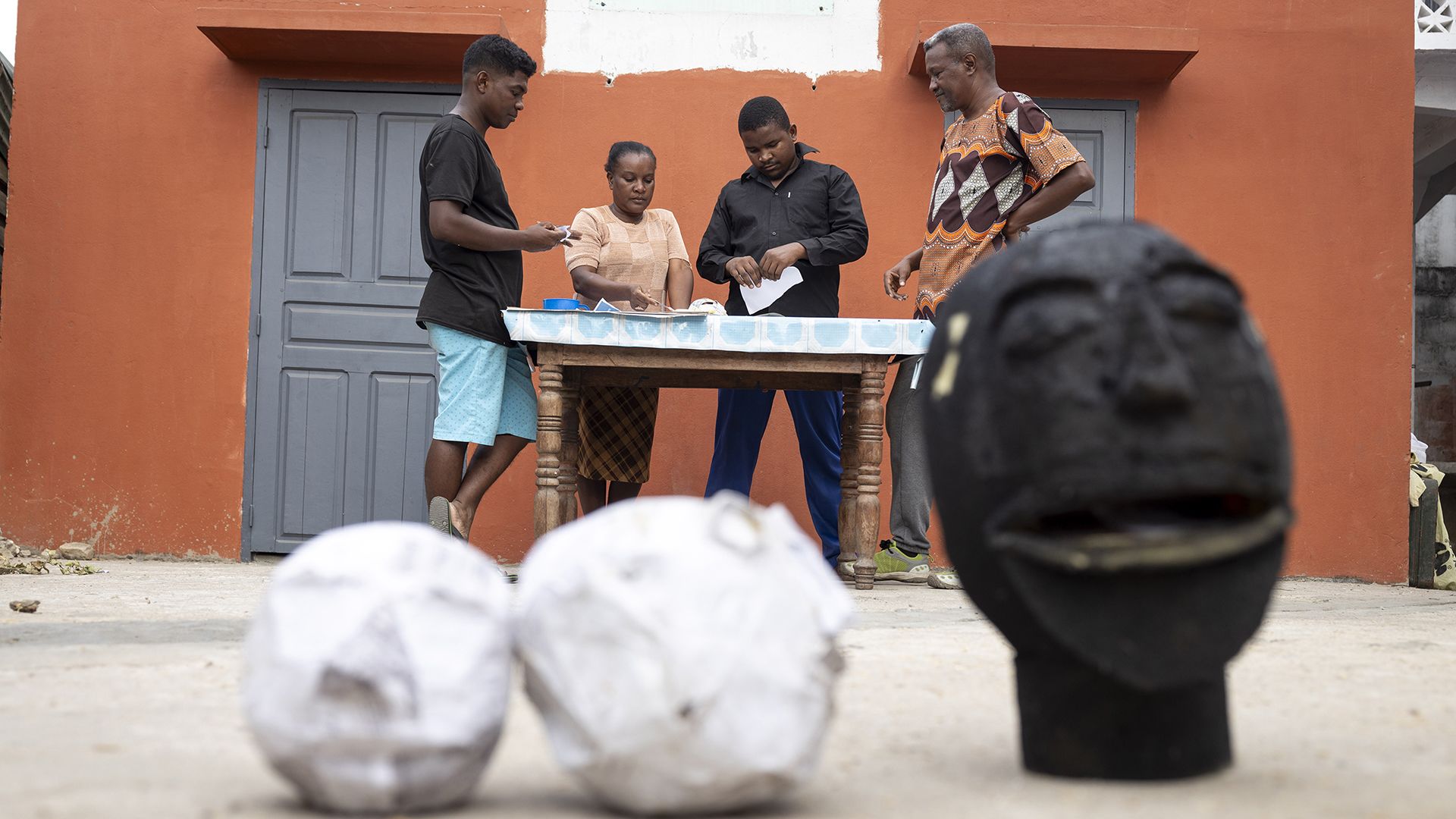
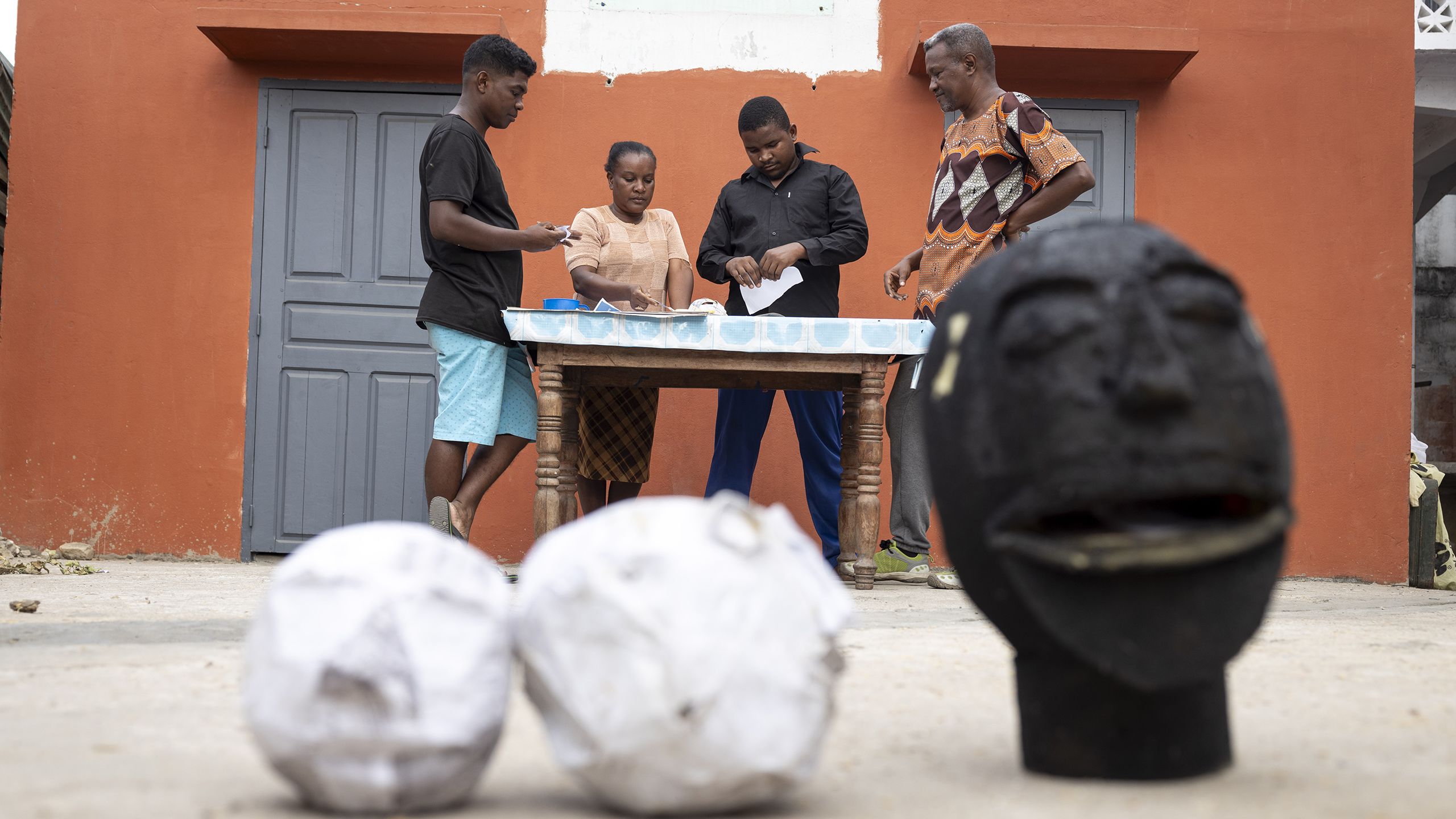
Members of a puppet theater in Madagascar are preparing a special performance. At the primary school in Bezezika, they are using play to show children how important it is to wash their hands thoroughly with soap. Their work is supported by Helvetas. Hygiene training is part of every water project, because protecting the long-term health of entire communities requires clean water, proper storage, and good hygiene practices. At the end, the children get to become puppeteers themselves – an experience they will remember for a long time to come.
November: Ice cream can further women's rights
©Mauricio Panozo
©Mauricio Panozo
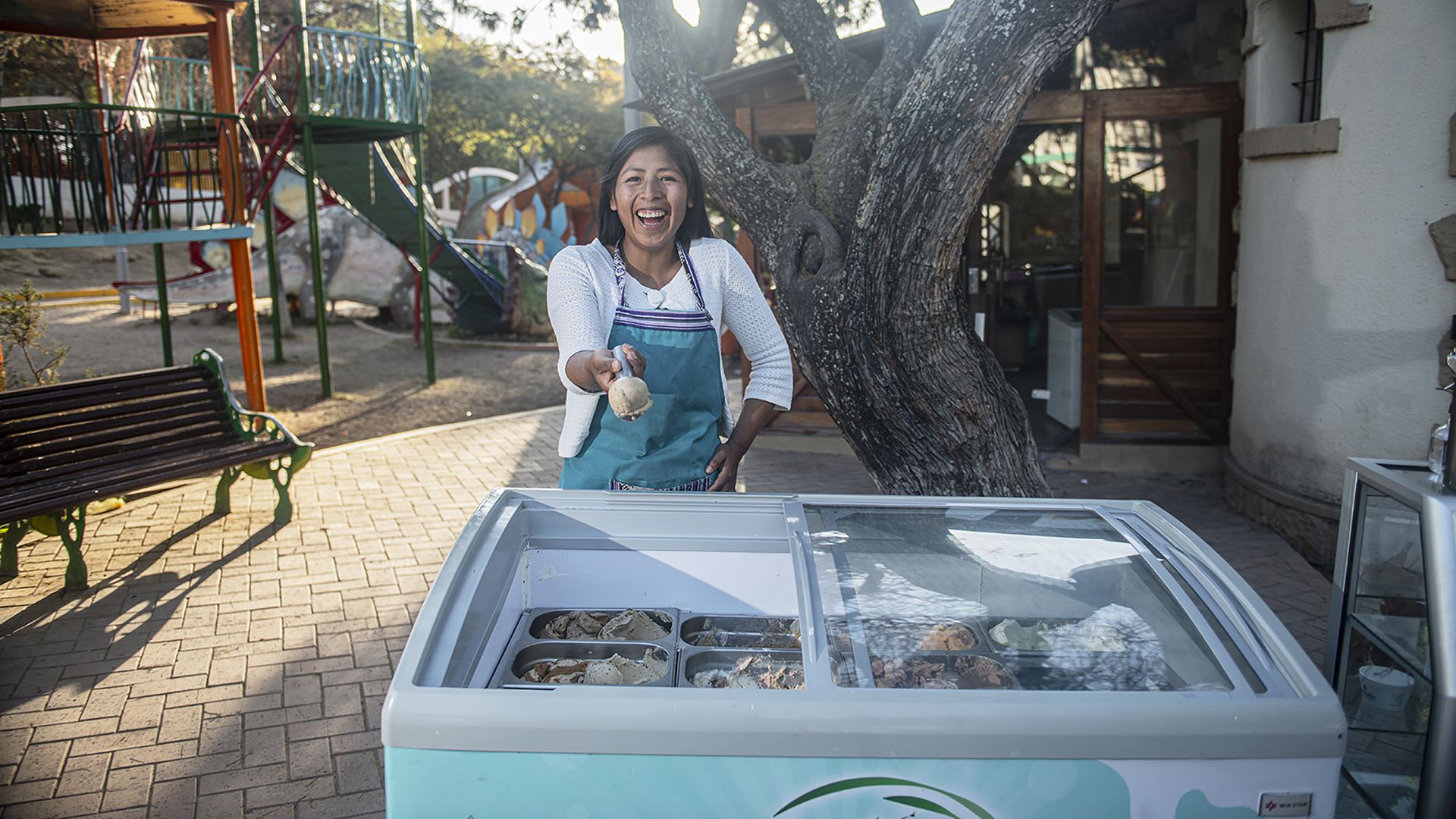
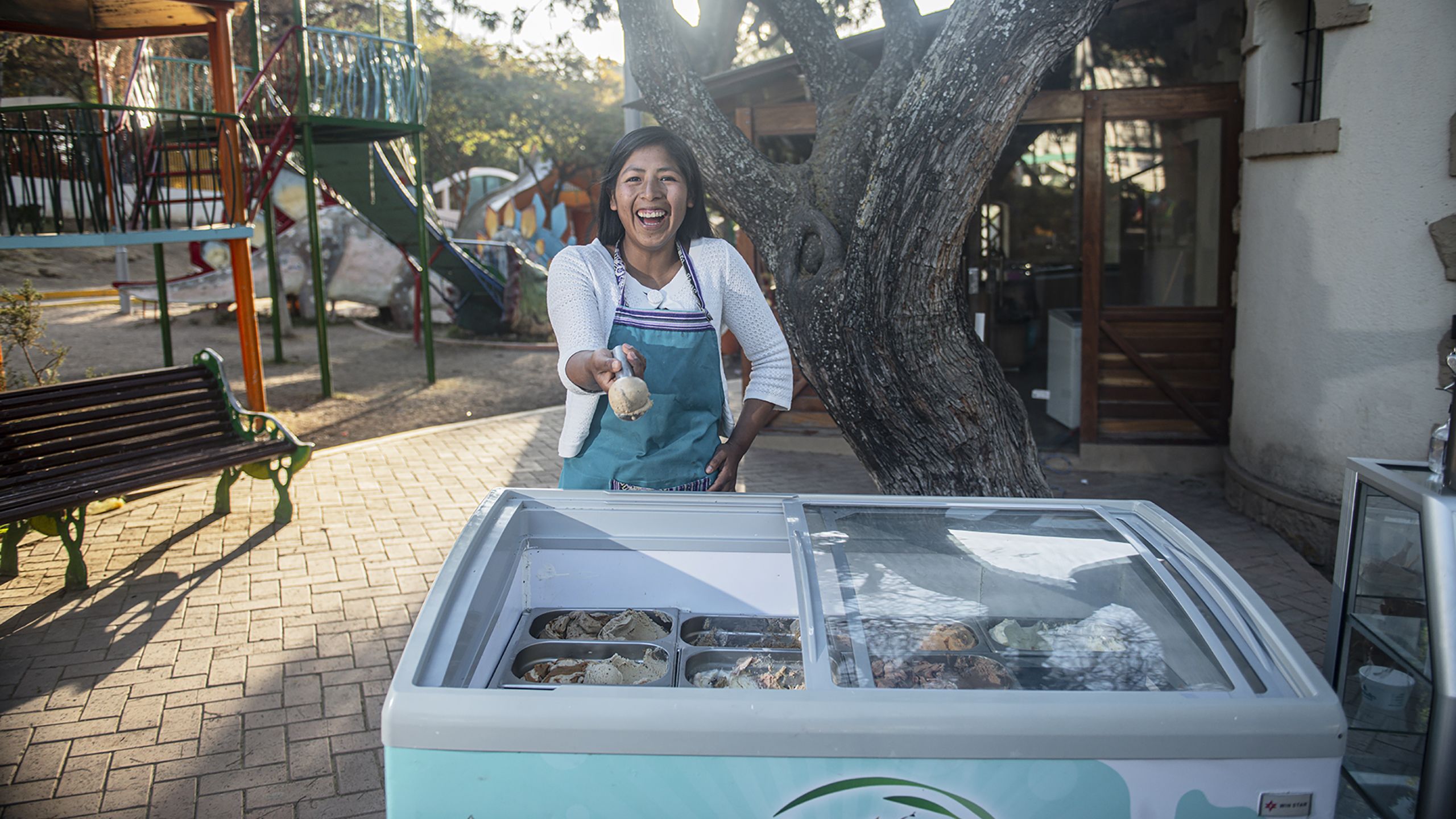
On November 25, the International Day for the Elimination of Violence against Women, the story of Senobia Lázaro Puma from Bolivia shows how economic independence can transform women's lives. She grew up in difficult circumstances, but received support from a foundation co-founded by Helvetas in Sucre that promotes young entrepreneurs. Today, Senobia's company, Meraki, produces popular ice cream flavors, employs women who have experienced violence, pays fair wages, and supports them in building self-determined lives.
December: Off to school!
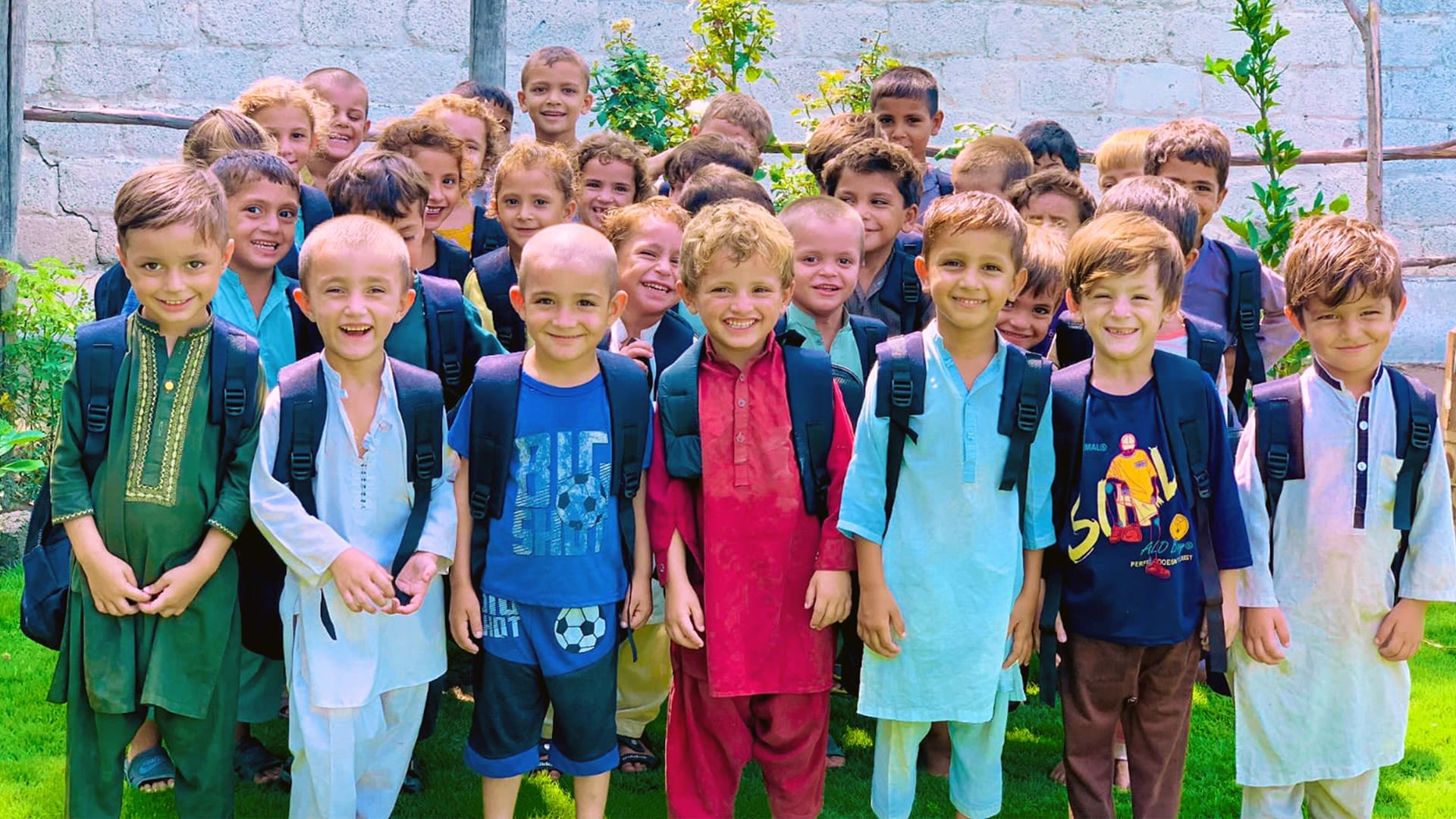
©Helvetas Pakistan
©Helvetas Pakistan
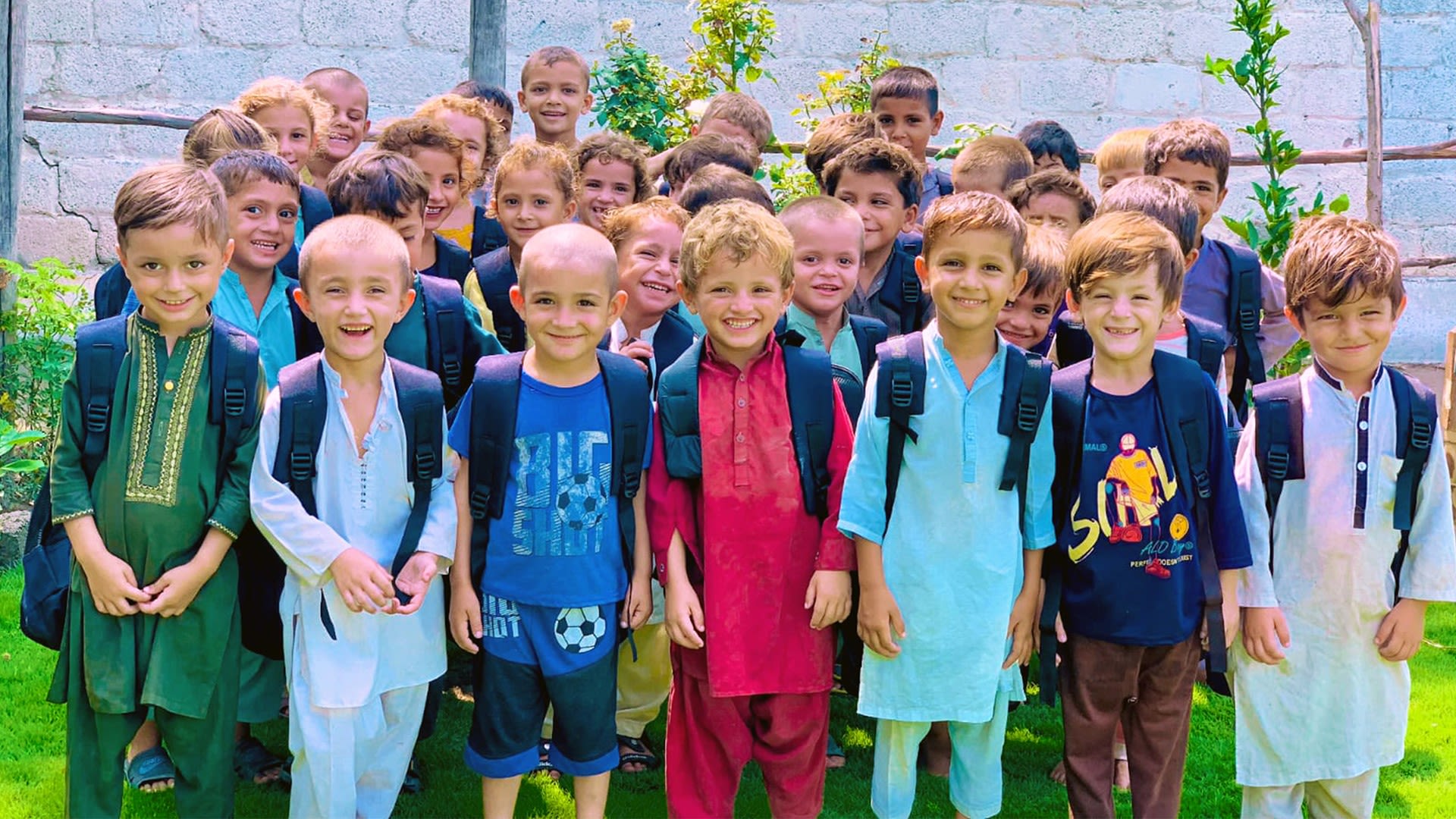
Happy faces in the Hajizai refugee village in Pakistan: Children who have fled Afghanistan have just received school backpacks and learning materials to help them start school. Many of them have not been able to attend school since they were forced to leave their homes. Helvetas supports them in non-formal education centers, where refugee girls and boys learn basic subjects, fill in gaps in their knowledge, and prepare for the transition to the Pakistani school system. This allows families to regain a sense of normalcy and gives children reliable access to education.
Thank you for helping to create fair opportunities around the world!
 Built with Shorthand